Many want to live differently. And what can I do? What is my part in it?
The story of the Colibri is inspiring to Eric.
Introductie
Many people want to live differently.
Less stress, more freedom, less individualistic, more autonomy, less ‘politics’ and so many more reasons. Many are looking for alternatives. But... questions are asked: what, where, how, when, what if, how? A never-ending street of questions. And one where you don't get the answers you expect... Want velen blijven met een hoop angsten zitten en blijken niet gemakkelijk het “bekende leven” achter zich te laten, ondanks de stress, de weinige vrijheden, de individualiteit, de controle van de overheden, de te vele regels,…
Hence the 7 pillars
1. Unity consciousness 2. Freedom of possession 3. Voluntary work and altruism in unconditionality 4. Permaculture in everyday life, the vegetable garden and the food forest 5. Peaceful and holistic consciousness 6. Generation mix and transfer of knowledge 7. Ecology and housing
1. Unity consciousness
Living with awareness of the Sacred and respect for Nature through conscious attention, in unity with the place and the All.
Experiencing the Divine within ourselves in our daily lives.
Living together in brotherhood and sisterhood, with respect for all religious beliefs.
2. Freedom of possession
The land and buildings are purchased by the cooperative ‘Terra pertence a Màe Terra’ on the same principles as those of a ‘land trust’.
Creating a place where money is no longer ‘king’, in order to separate freedom and happiness from it → letting go of speculation and overconsumption.
Emphasising shared values over material possessions and social status.
Sharing goods and tools in the community, based on free giving.
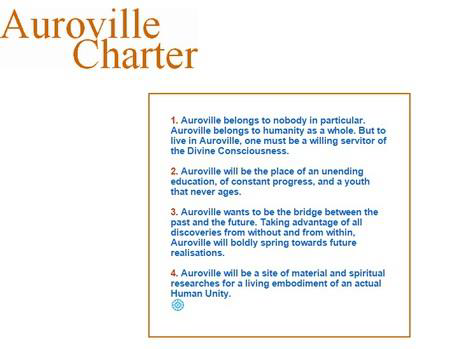
As inspiration:
3. Voluntary work and altruism
The group consciousness and vision of the place serve to create a paradise on earth.
Dedication to altruism: selfless service to one another, which cultivates mindfulness and opens the Heart.
As Guardians of the Earth, we carry out the necessary work for the maintenance and beautification of the site with full attention and in an unconditional manner.
Working then becomes not a means of earning a living but a means of expressing oneself according to one's own talents and abilities, with a view to friendly reciprocity and connection with Mother Nature.
4. Permaculture
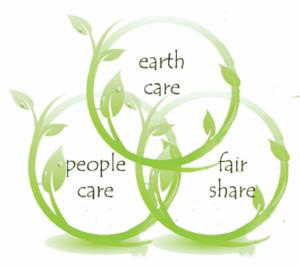
4.1. Permaculture in everyday life Care for the earth, the people and the sharing of abundance
Living according to the rhythms of the seasons, the sun and the moon, both in the garden and during daily activities.
Experiencing permaculture as global ecology (as an extension of personal ecology).
Sharing the abundance of the place and passing on knowledge and experiences.
Taking an active role in the community life of the region. Working to strengthen local solidarity.
Enjoying rather than performing. Emphasising quality rather than quantity. Transform and reuse instead of wasting and throwing away. Joy of life instead of stress.
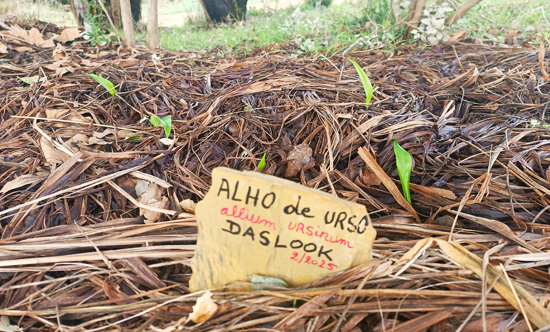
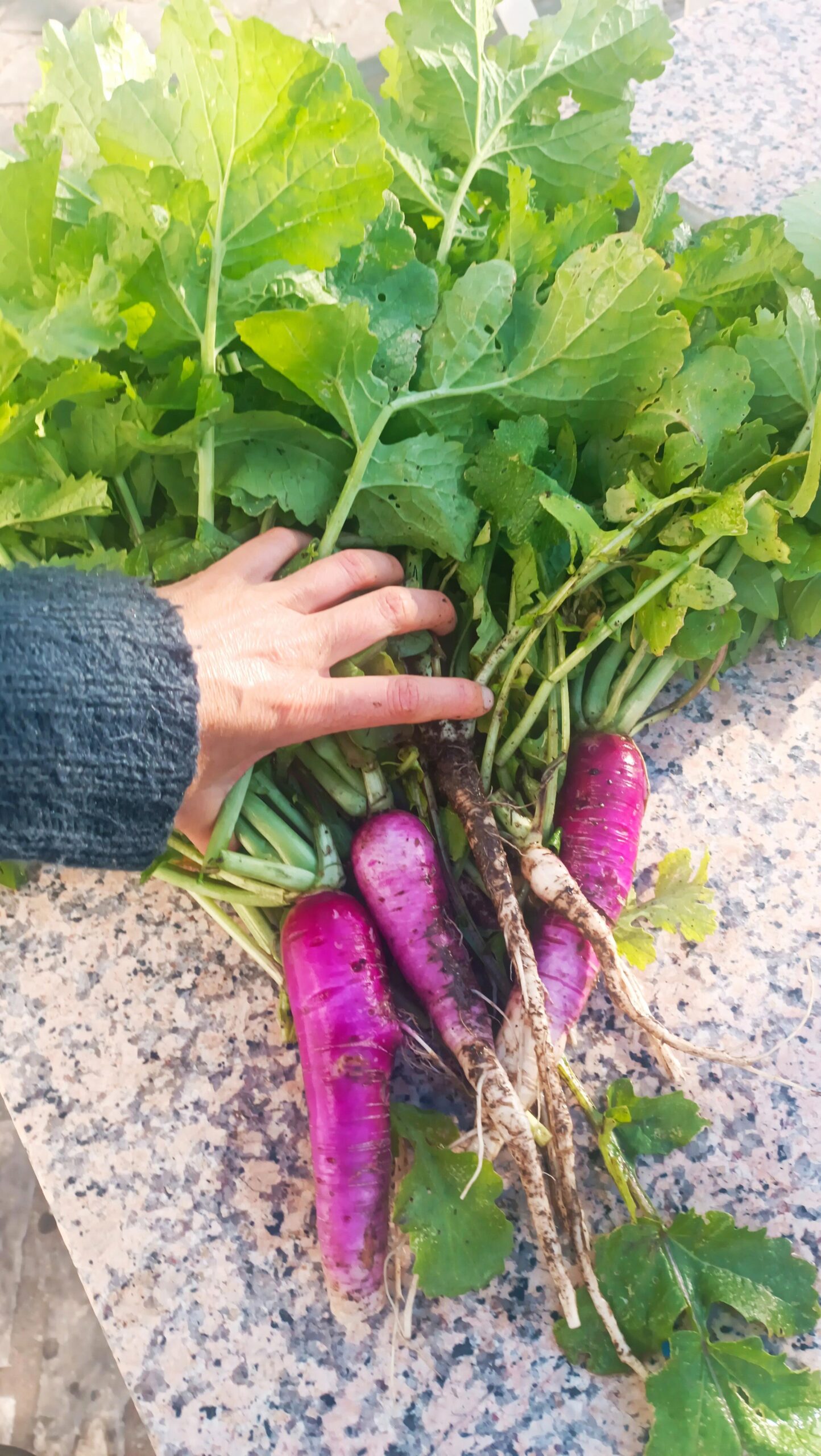
4.2. Permaculture in agriculture and gardening Take care of Mother Earth and she will take care of you.
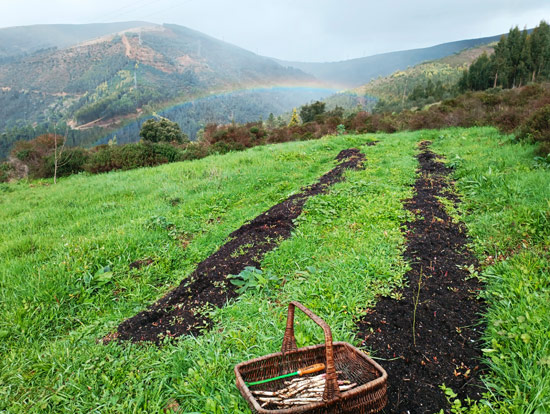
Applying permaculture and agroecology to develop human, ethical, sustainable, and robust ecosystems that integrate harmoniously into the natural systems.
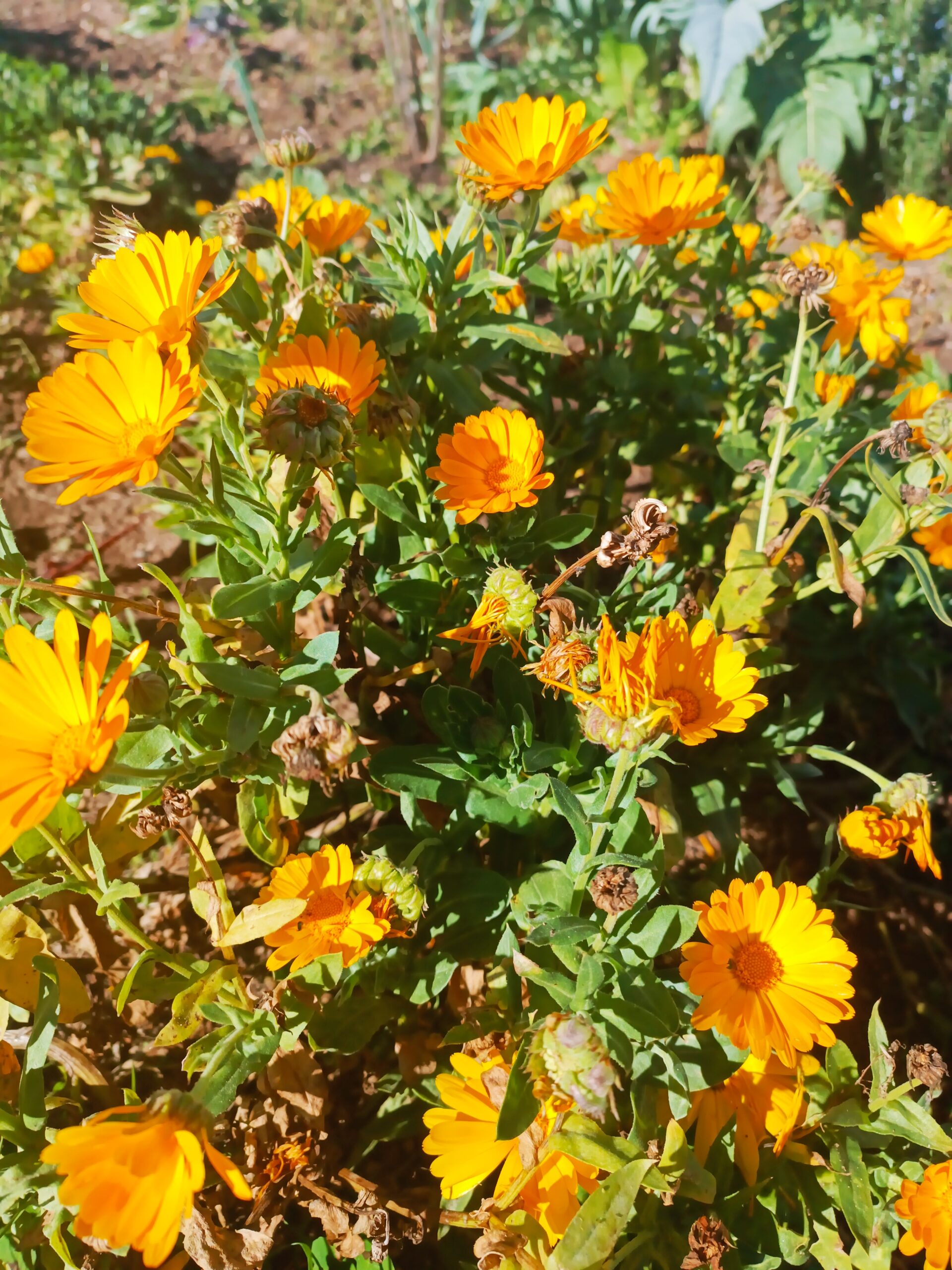
Permaculture to create biodiversity and protect animal life.
By observing the cycles of nature, developing non-intensive and essential organic farming in order to live as autonomously as possible.
Reconnecting with nature through a sustainable society. Opting for short and local consumption chains, local economies, and self-sufficiency.
5. Peaceful and holistic consciousness
Caring, kind communication and resolving conflicts in a way that brings people together, based on honesty, gentleness and sincerity.
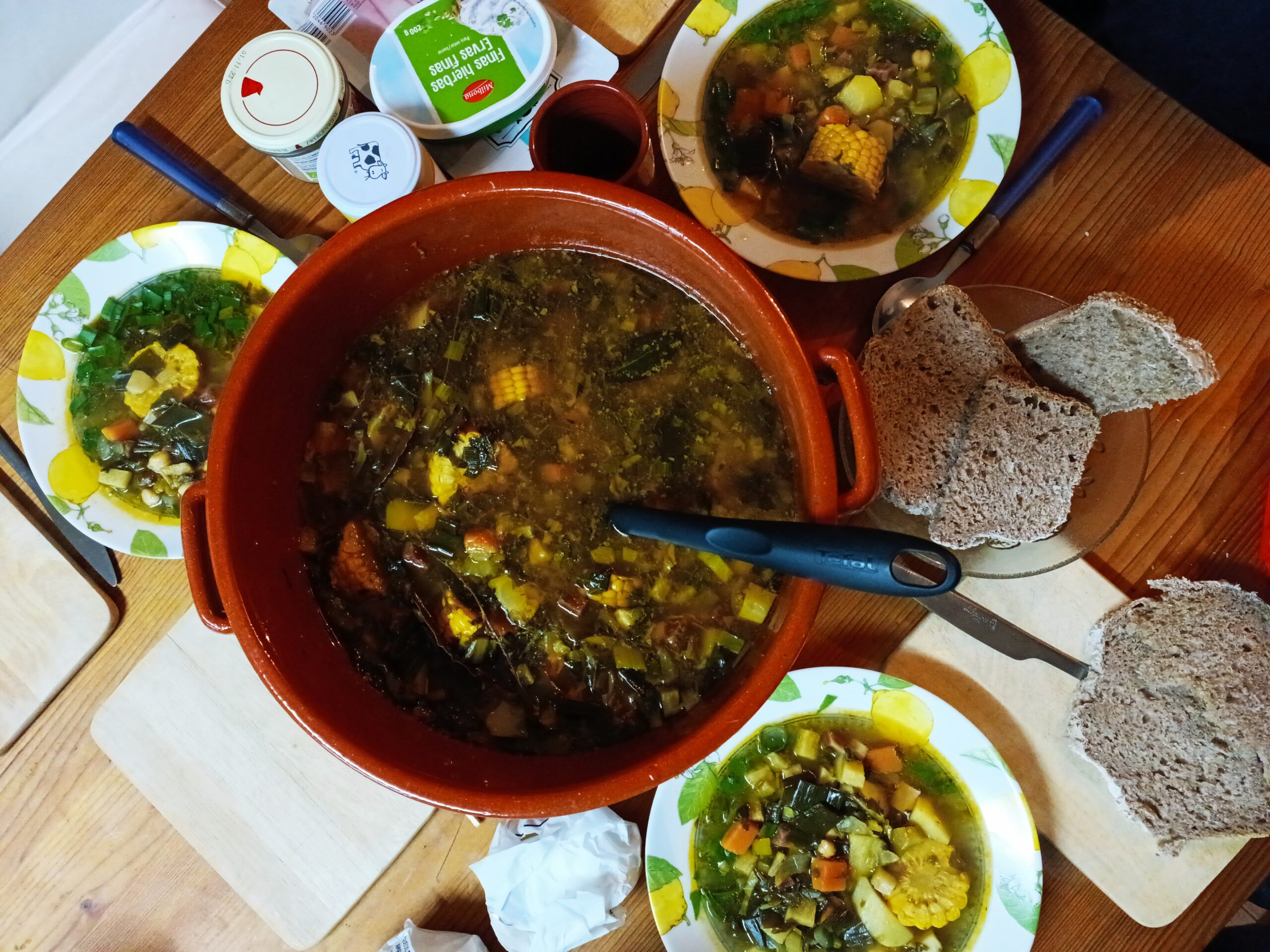
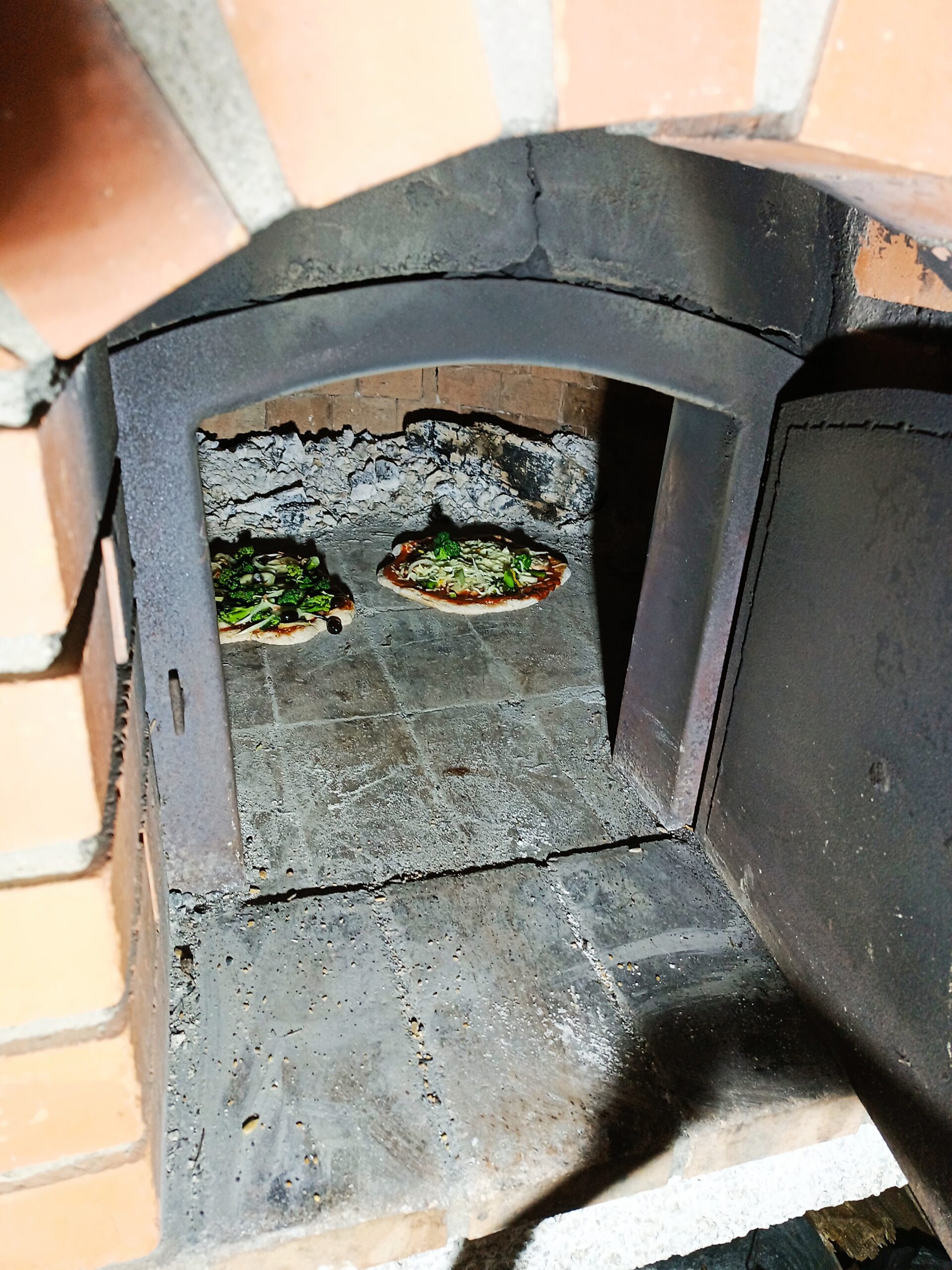
Share a meal regularly.
Taking responsibility and paying attention to all your actions and words – ensuring that what you say and do TODAY does not harm TOMORROW, nor nature and its resources, nor living beings.
Making decisions in agreement with others.
Creating opportunities to practise together meditation, physical exercises (yoga, tai chi, etc.), dance and singing to clear the mind and open the heart.
What planet are we leaving to our children? What children are we giving to our planet?
Support for education and healthy eating for children and adults as a natural process that is experienced by them and driven by experiences in connection with their living environment.
Support the emergence of individual and collective projects across all generations in a spirit of diversity.
The objective is to be able to live as self-sufficiently as possible.
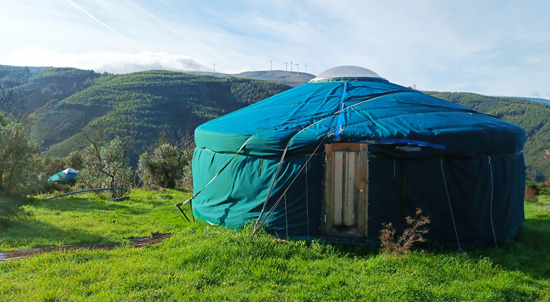
A private area for each family: based on approximately 30m² per person, a sacred space of love, with its own accommodation, respectful of nature, minimalist, sober.
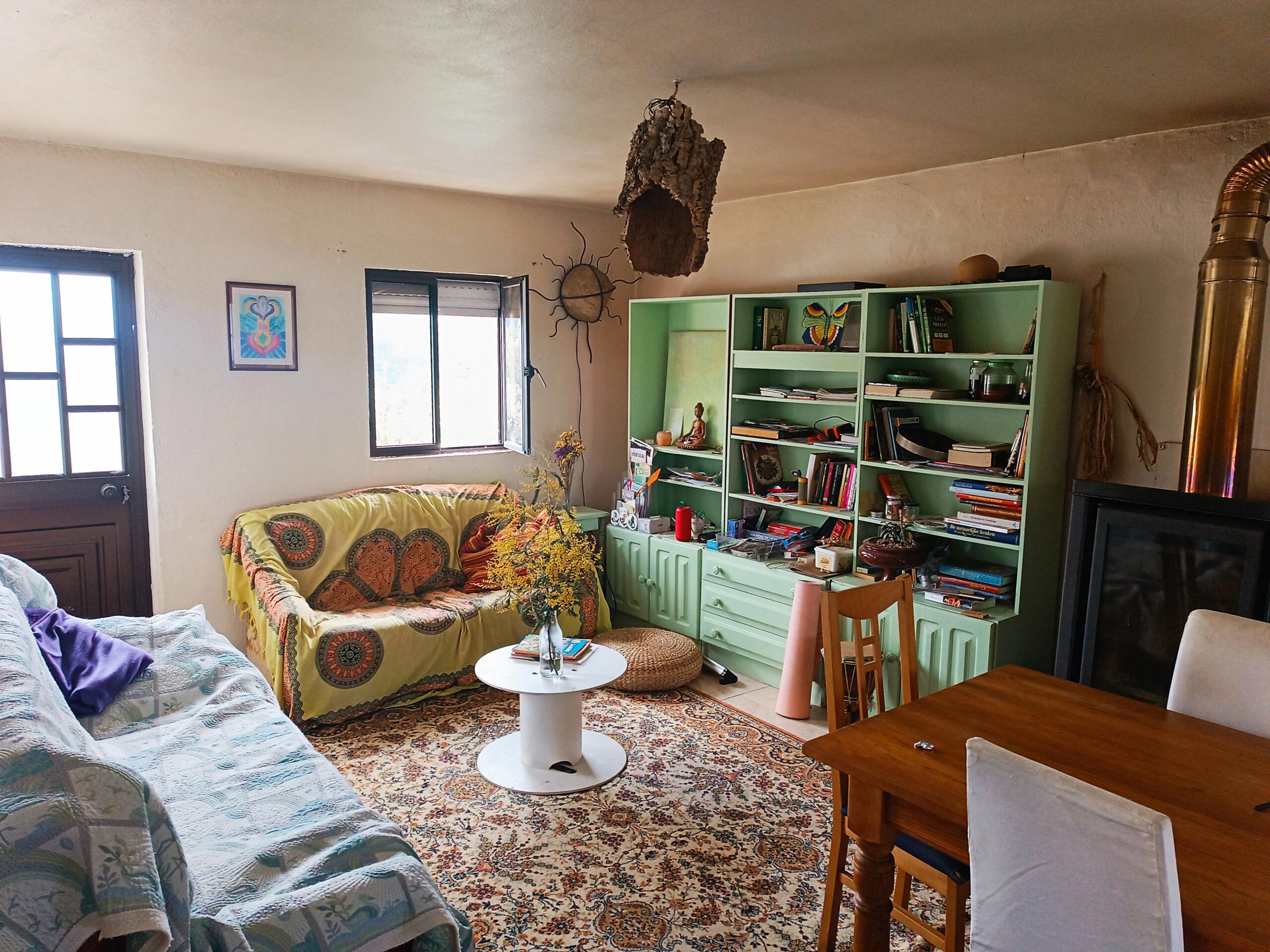
Developing the communal areas together in an ecological and sustainable manner.
7. Ecology and housing
Preserving and/or improving the beauty of the site through ecological projects (renovation and/or new constructions).
Limit the collective ecological footprint by choosing materials and construction techniques that respect nature (passive energy, natural or recycled materials, dry toilets, etc.).
We've detected you might be speaking a different language. Do you want to change to: